Shipshape

Shopify builds · migrations · app stack

Shopify storesbuilt once,properly.

Builds and migrations, made in the theme as sections your team edits. No shortcuts that quietly become somebody else's problem in a year, and nothing holding the store together that you are renting from a third party.

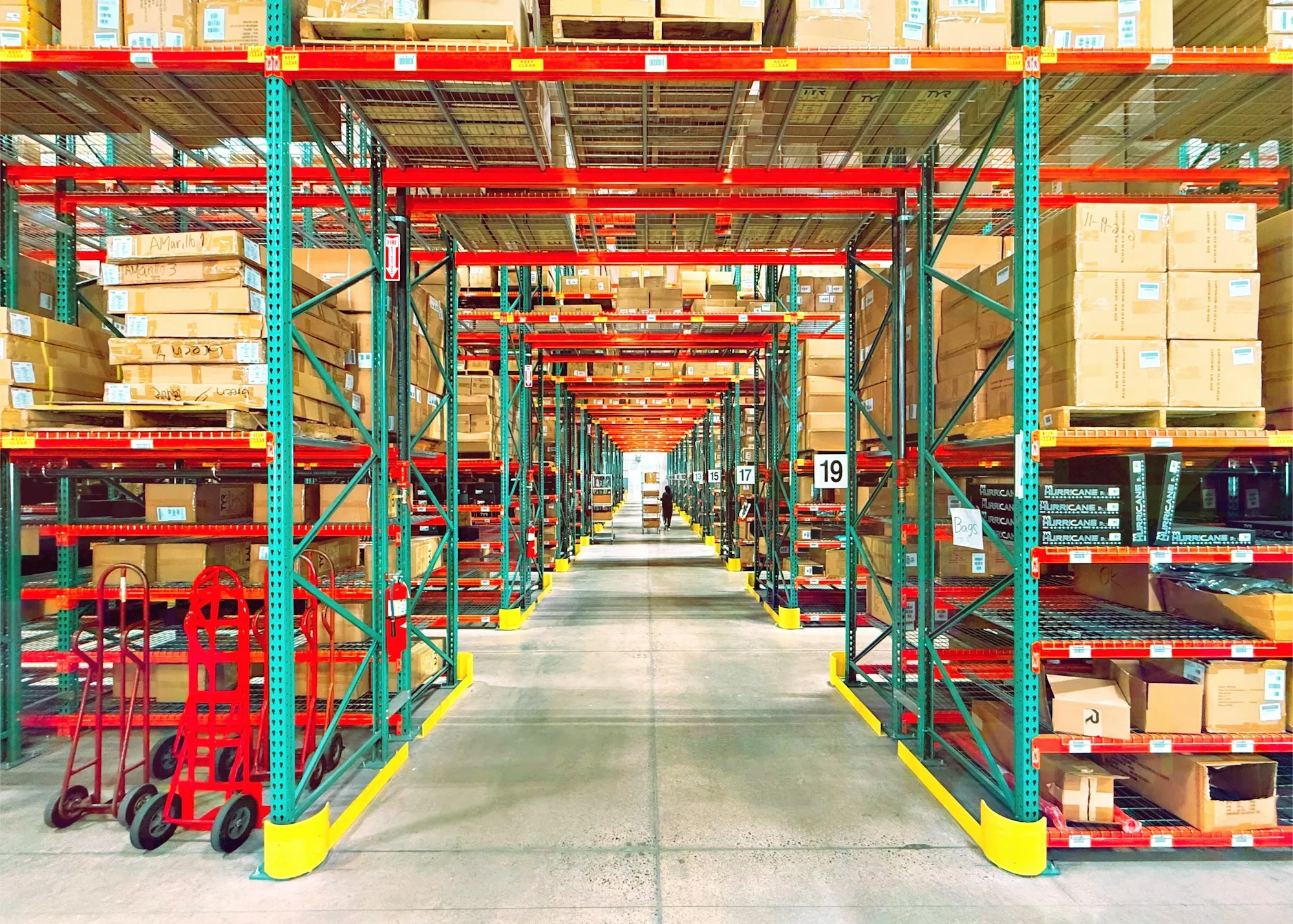
Warehouse racking stacked with cartons
A packing desk with a carton being made up

Why the app list matters

Your customer waits for all of it.

An app that sounds free rarely is. Most of them add their own scripts to the page, and the cost lands on whoever is loading your product page on a train with two bars of signal.

Six apps installed

ReviewsEmail popupLive chatUpsellsCurrencySocial feed
Your storefrontEvery one of those apps loads here, on every page view
ShopifyCheckout, orders, inventory, payments
Apps don't plug into Shopify. They plug into the page your customer is waiting for. That's why the app list and the load time are the same conversation.

The stack

Every app we build with, and what it costs you.

19 of them, with the reasoning written out, including the ones we turn down. It is the closest thing we have to a portfolio right now. Updated 20 September 2026.

We use it

Timesact

Pre-orders, deposits, backorders and waitlists — controlled per variant.

We use it

Klaviyo

Still the first thing we wire after checkout works.

We use it

Shopify Markets

The native answer to selling in more than one country.

Depends

Gorgias

Worth it once support is somebody full-time job.

Won't install

Speed optimiser apps

An app that adds a script to your store, to make your store faster.

Won't install

Currency converter apps

Superseded by Shopify Markets, and worse than it.

Pallets of stock in a distribution warehouse

How a project runs

01

We go through the store

Theme code, the app list, page weight, checkout, analytics. A person reads it and writes down what they find. About two days.

02

You get that in writing

What is slow, what is duplicated, what you are paying for twice. Yours to keep either way, including if you take it elsewhere.

03

One scope, one number

Quoted against what we found rather than what you described. You get a date, and you hear early if it starts to slip.

04

Build, then hand it over

Repository, app accounts, and the reasoning behind each decision. Nothing depends on us still being around.

Questions

Including the one about having no work to show.

You have no case studies. Why would we hire you?

Because we would rather you judged the reasoning than a logo wall. Shipshape is new, and that is just true. What we can show you is how we think: the stack page lists every app we build with, what it costs, and which ones we will not touch. Read it and you will know more about how we would treat your store than most case studies would tell you. It is also why the first projects are priced lower than they will be. You are taking a risk, and we would rather price that honestly than pretend it is not there.

How long does a build take?

Six to eight weeks for a straightforward store. Ten to fourteen if there is order history, subscriptions or several markets to move. You get the date with the quote, and if it starts slipping you hear about it that week, not on the deadline.

What does it cost?

It depends on the store, which is a boring answer, so here is the useful part: you get one fixed number against a written scope, and you get it after we have spent a week actually in your store rather than guessing from a brief. No hourly billing. If something is genuinely hard to price we will say so instead of padding the number and hoping.

Can you work with our developer or in-house team?

Usually the better setup, yes. Plenty of brands have someone who knows the store inside out and needs help with one specific piece. We scope around that person rather than around replacing them.